


Beginning
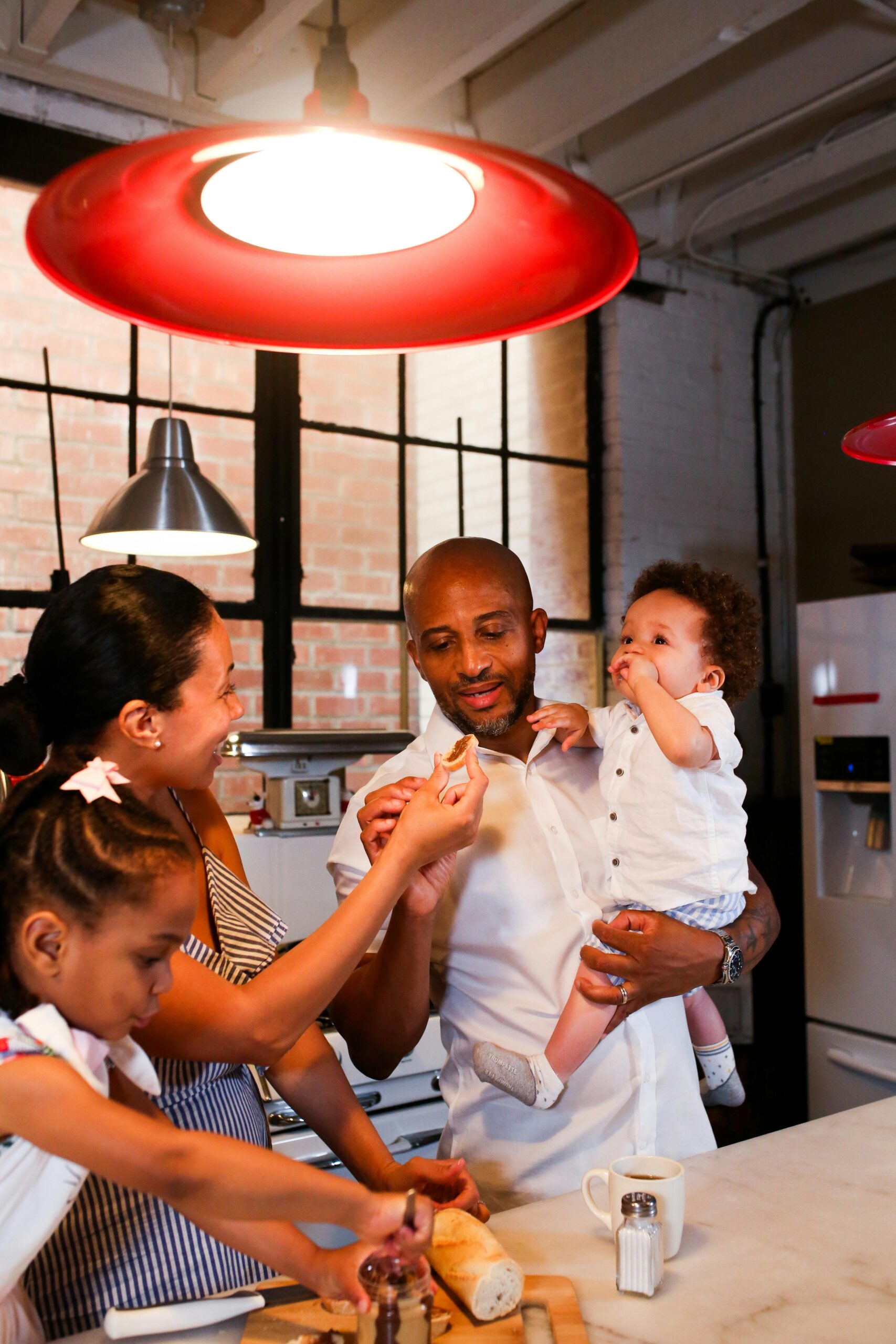
One of the most important things new parents can do is make sure their baby’s home is safe and happy. Babies are naturally curious, sensitive, and always learning. This means that the home environment has a direct impact on their comfort, health, and emotional growth. A safe home keeps them from getting hurt, and a happy home helps them grow mentally and feel safe. Your baby’s experience of the world can change a lot with even small changes to their daily routines, the way their room is set up, and how you interact with them. This article tells you how to make a safe, loving, and peaceful place for your baby to grow, learn, and feel loved.
Making Your Baby’s Space Calm and Comfortable
Babies are very aware of their surroundings. A calm and peaceful place helps them sleep better, cry less, and feel safer. It makes a big difference to keep your baby’s room clean, softly lit, and quiet. Using soft colours and keeping things tidy can help make a space feel calm. A baby needs to be physically comfortable in order to relax. A comfortable cot, the right room temperature, and soft fabrics all help with this. Parents should also think about how the home feels emotionally. Babies feel safe when their parents talk to them softly, handle them carefully, and stay positive. Your baby’s home should be a place where they feel loved, safe, and warm all the time.
Making sure that every part of the house is safe
Babyproofing is important because babies touch, crawl, and grab things to learn about the world around them. Parents should make sure that sharp edges are safe, electrical outlets are covered, and small things are out of reach to keep their children from choking. You should always keep cleaning supplies, medicines, and kitchen tools in a safe place. You should put safety gates near stairs, make sure furniture is stable so it doesn’t fall, and keep floors clean and free of slippery surfaces. If you don’t handle them right, even things you use every day, like cords, curtains, or heaters, can be dangerous for babies. To make your home safe, you need to find possible dangers and stop accidents from happening. Parents feel better knowing their babies are safe at home.
Creating a stimulating environment to encourage learning
A happy home for babies should also be a place where they can learn. To grow their senses, brainpower, and curiosity, babies need things to do. Your baby can learn by exploring with simple things like colourful toys, soft books, sensory objects, and music. Parents can talk to their baby while doing everyday things, show them new textures, play soft sounds, or read them simple stories. These little interactions help the baby learn and grow emotionally and intellectually. Giving your baby a safe place to play, move around, watch, and explore is also a good idea. A place where your baby can learn helps them grow and develop without making them feel overwhelmed.
How to Make Positive Interactions Between Parents and Babies at Home
How you talk to your baby teaches them how to read emotional cues. Babies feel safe when their parents are warm, patient, and kind. Building trust is easier when you smile at your baby, hold them close, look them in the eye, and respond quickly to their cries. Parents should play, sing, and talk to their babies all day long. Not only do these interactions make your bond stronger, but they also make your baby feel loved and important. Being emotionally present is more important than being perfect in a happy home. Even on days when you feel stressed, small acts of love can have a big effect on your baby’s health.
Keeping Baby Safe by Keeping Things Clean and Sanitary
Your baby’s health depends on having a clean home. Because babies’ immune systems are still developing, keeping their environment clean helps keep them from getting sick. Parents should clean surfaces often, wash baby clothes the right way, and sterilise feeding items. You should wash the baby’s bedding often and clean the soft toys to get rid of dust. Parents should wash their hands often before touching the baby as part of good hygiene. If you stay away from smoke, strong smells, and chemical cleaners around your baby, they will be less likely to get irritated and have trouble breathing. Keeping your home clean not only keeps your baby safe, but it also makes the space neat and calming, which is good for their health.
Helping Families and Emotions Stay Happy
Emotional stability and family harmony are what make a home truly happy. Babies can pick up on how other people are feeling. Babies grow up happy and confident when their home is calm, warm, and full of love. Parents should talk to each other in a positive way, stay away from loud fights, and make sure the baby has a calm routine. A nurturing environment can be created by keeping stress levels low and spending time together. When babies feel loved, understood, and included, they do better. Even small things like smiling, hugging gently, and saying nice things can make your baby feel better and help create a loving home.
Conclusion
You don’t have to do anything complicated or perfect to make your baby’s home safe and happy. It just takes being aware, loving, and making a few small changes. Every step you take, from babyproofing the house to keeping the peace and encouraging good interactions, helps your baby’s emotional and physical growth. Parents give their baby a strong start in life by keeping them safe, clean, stimulated, and loved. Your child’s home should always feel like the safest place in the world, full of love, learning, and warmth. When parents work hard to make sure their baby is in a safe and happy place, the baby grows up confident and happy.
Frequently Asked Questions
Q1. What can I do to make my home safer for a baby who is crawling?
First, cover electrical outlets, lock up furniture, take away small items, and put up safety gates. Lock away dangerous things and keep the floors clean and free of clutter.
Q2. What makes a baby’s home a happy place to be?
A baby will be happy if they are in a calm environment, with people who love them, soft voices, clean surroundings, and routines that they can count on.
Q3. Do you have to babyproof the whole house?
Yes, babies move in ways that are hard to predict. Even if they spend most of their time in one room, they can quickly get to dangerous things, so it’s important to babyproof the whole house.
Q4. What can I do to make my baby feel safe at home?
Respond to their cries, talk to them in a calm voice, look them in the eye, hold them often, and keep things the same. Being emotionally present is the key.
Q5: How can I keep my baby busy at home without making them too busy?
Play with short sessions, simple toys, soft music, and bright colours. Don’t let them play with too many loud toys or too many at once.
Q6. What things in the house can hurt babies?
There are many dangers, such as small things, medicines, cleaning products, sharp tools, open windows, cords, and furniture that isn’t stable.