


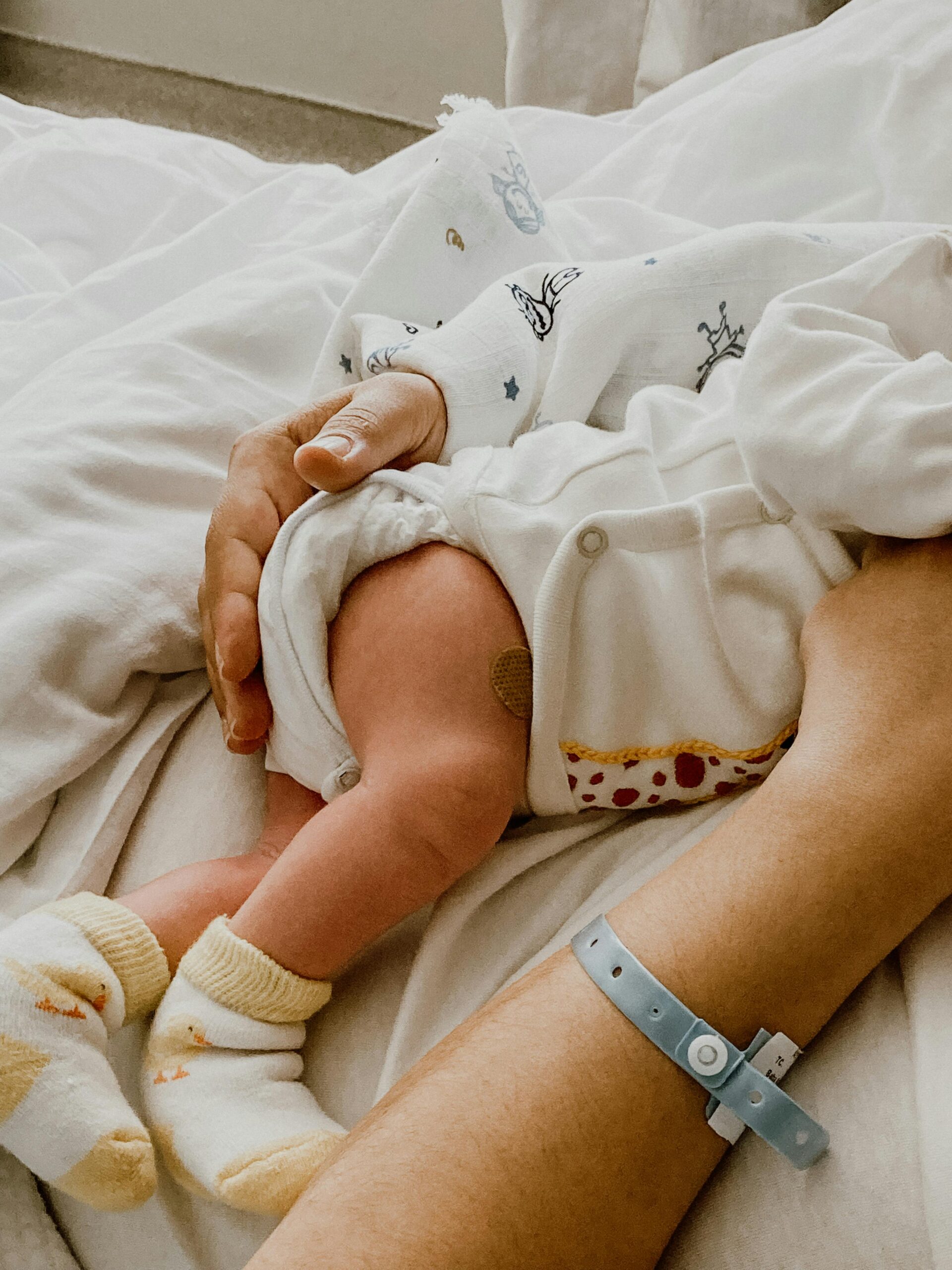
Beginning
There are a lot of changes in a baby’s first year of life. Every month, there are new milestones, new skills, and new ways of acting. New parents need to understand these changes because they help them relax, get closer to their child, and make sure they get their health checked on time. Every baby grows at their own pace, but there are certain stages of development that most babies go through. This guide tells parents what to expect in terms of their child’s physical, mental, and emotional growth over the first 12 months, month by month.
Month 1: Getting used to the world
Babies sleep and eat a lot during the first month. They mostly move by reflex, like when they root and suck. They can still see things clearly, but they can focus on faces that are 8 to 12 inches away. They can only talk to each other by crying. Parents should pay attention to skin-to-skin contact, soft talking, and setting up feeding schedules.
Month 2: More awareness and social smiles
Babies get more active and aware in the second month. They start to respond to voices and might even smile at people for the first time. Their neck muscles get a little stronger, so they can lift their head for a few seconds while they are on their stomach. Sleep patterns get more regular, and feeding patterns get better.
Month 3: Better control of the head and early interaction
By the third month, babies can control their heads better and may be able to hold them steady when they are supported. They begin to coo and make sounds that sound like vowels. As they learn to hold things in their hands, their hands become more coordinated. Babies start to recognise familiar faces and their ability to track things visually gets better.
Month 4: Rolling Attempts and Stronger Movements
Babies get more active and playful when they are four months old. A lot of people start rolling from their stomachs to their backs. Their hand-eye coordination gets better, which helps them reach for toys and hold them for longer. They laugh, respond to sounds, and like to play with other people. More tummy time and activities that involve the child should be added by parents.
Month 5: More interest and a better grip
Babies who are five months old are curious about the things around them. They can move toys from one hand to the other and learn about things by putting them in their mouths. Most people start rolling in both directions. As the night goes on, sleep stretches get longer and babbling becomes more purposeful.
Month 6: Sitting with Help and Starting to Eat Solid Food
Babies can usually sit up with little help and have better balance by six months. Depending on what their doctor says, a lot of parents start giving their kids solid foods like purees at this age. Babies also start to know their name and smile or make sounds when you call them. They get better at moving their bodies, which lets them bang things together.
Month 7: Trying to crawl and getting very close to someone
Babies who are seven months old start to move around more. Some babies crawl, while others scoot or roll to get around. They become more attached to their parents and may show signs of separation anxiety. Babies like to play peek-a-boo and start to understand simple cause-and-effect actions.
Month 8: Better movement and exploration
Babies get more curious by the time they are eight months old. They might crawl with confidence, pull themselves up to sit, and look around at everything they can reach. Their fine motor skills get better, which lets them pick up small things. Babies also start to copy sounds and gestures, and they might even say simple syllables like “ba” or “ma.”
Month 9: Standing Up With Help and Talking Early
Babies who are nine months old often pull themselves up to stand by holding onto furniture. Gestures like pointing or clapping help them communicate better. They know simple words like “no” and “bye-bye.” Parents need to make sure their kids are safe so that they don’t get hurt when they are curious.
Month 10: Stronger coordination and cruising
A lot of babies start cruising when they are ten months old. This means they walk sideways while holding onto furniture. They can pick up small pieces of food with a pincer grip. As they interact more, show preferences, and react emotionally, their personality becomes clearer.
Month 11: More Freedom and Trying to Say Words
Babies who are eleven months old are often very independent. They might try to climb, check out every room in the house, and get angry when they can’t. Babies’ speech gets better when they try to say words again. They can do basic pretend play and follow simple directions.
Month 12: The first steps and a year of celebration
Many babies can walk by the time they turn one, but some have to wait a little longer. They can say short words like “mama” or “dada” that mean something. They get better at working together, which lets them stack blocks, feed themselves with their fingers, and show more feelings. Parents should celebrate this milestone and keep helping their kids grow by being patient, loving, and giving them things to learn.
FAQS
1. Do all babies grow at the same rate?
No. Every baby grows at a different rate. The monthly milestones give you a general idea of what to expect, but it’s normal for things to change.
2. When should I be worried about milestones that are late?
If your baby consistently misses several milestones or exhibits minimal progress, consult a paediatrician for prompt assessment.
3. What can parents do at home to help their child’s development?
Tummy time, talking, reading, gentle play, and safe exploration are all simple things that can help your baby grow up healthy.
4. When do babies usually start to walk or crawl?
Most babies start crawling between 6 and 10 months and walking between 10 and 15 months. Some people may skip crawling and go straight to walking.
5. Can starting solids too soon hurt growth?
Yes. Starting solids before six months can make it more likely that your baby will choke or have stomach problems. Always follow the rules for kids.