


Getting Started
One of the most important things new parents need to learn how to do every day is burp their baby. Babies can get uncomfortable, fussy, or not be able to sleep well because they swallow air while eating. A simple burping routine can help your baby feel better, stop gas pain and cut down on spit-ups. Even though it seems like a small thing, new parents often have trouble figuring out the right position, technique, or timing. If you know how to burp your baby correctly, it will be easier to feed them and they will be more comfortable. This article will teach you when to burp, the best positions for burping, common mistakes to avoid, and useful tips that all parents should know.
Burping helps get rid of the air your baby swallows while you breastfeed or bottle-feed them. When this air gets stuck inside, it puts pressure on the stomach. This pressure can make you uncomfortable, make you cry, or even wake you up while you sleep. Some babies burp right away, but others may take a little longer. Every child is different, but if you are patient and use the right methods, burping will get easier over time. Parents just need to know the right ways to tell when their baby needs help burping.
Part of making a healthy feeding schedule is knowing how to burp your baby correctly. This guide has everything you need to know to help your baby burp easily and feel good after every feeding, whether you’re a first-time parent or want to get better at it.
When to Burp a Baby
Knowing how to burp a baby is just as important as knowing when to do it. Most babies need to be burped before and after every meal. When your baby switches sides or takes a break, that’s a good time to burp them. Babies who are fed from a bottle usually need to be burped more often because they swallow more air. Burp after every 2–3 ounces (60–90 ml) of milk to help.
Parents should also look for signs like squirming, pulling away from the nipple, arching the back, or crying out of nowhere. These signs could mean that petrol is stuck. Burping at the right time stops discomfort before it becomes a problem. It’s best to burp the baby after feeding, even if they seem calm, to avoid gas buildup later.
The best ways to burp a newborn
There are many ways to burp a baby, and each one works better for some babies than others. Parents can try different things until they find the one that works best for their child. The goal is to gently push on the baby’s stomach while keeping them upright so that the air can rise and escape.
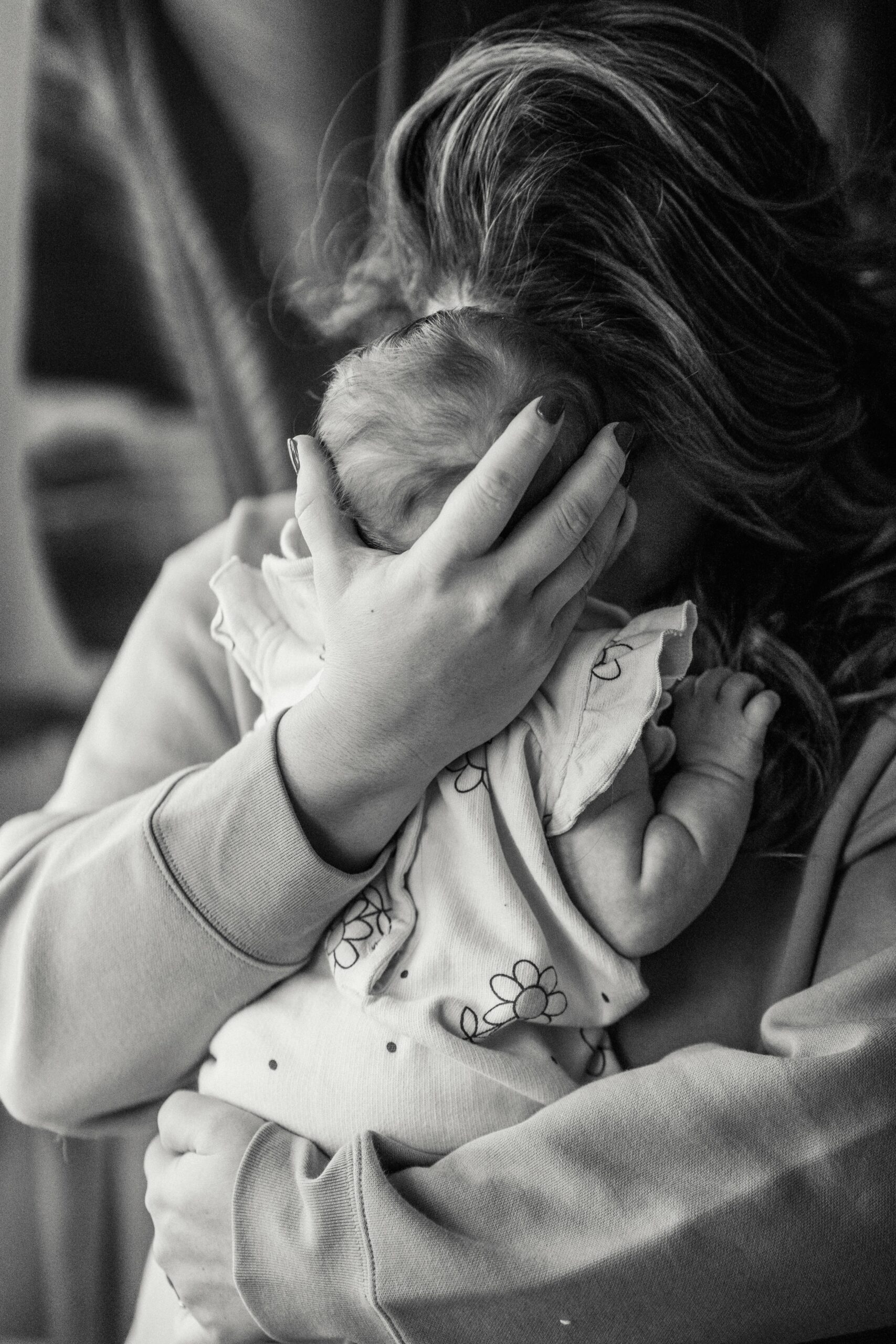
One common way to do this is to hold your baby upright against your shoulder. Hold your baby’s head and neck up and let their chin rest on your shoulder. Then, pat or rub their back. This position keeps the baby close to you and makes them feel safe. Sitting the baby on your lap is another common way. With one hand under the baby’s head and chest, use the other hand to gently pat their back. This position lets you see your baby’s face while you burp them and gives you more control.
Laying your baby face-down across your lap is the third effective way. To keep the baby from being uncomfortable, make sure their head is higher than their chest. Gently rub or pat the back until the air that is stuck comes out. This position is good for babies who have trouble burping in other ways. Soft pats, rubbing in circles, or gently pushing up on the back all help to let air out. To avoid discomfort, burping should always be gentle, slow, and calm.
How Long Should It Take to Burp?
Each baby is unique. Some people burp right away, while others may need a few minutes. New parents should be patient and not try to rush things. If your baby doesn’t burp after five minutes, try changing positions. Sometimes just changing the angle makes it easier for the air to get out.
It’s fine to stop and try again after a few minutes if the baby still doesn’t burp but seems calm. But if the baby seems uncomfortable, fidgety, or doesn’t want to eat anymore, that’s a sign to keep trying. Being patient helps your baby feel safe and keeps them from being uncomfortable while eating.
How to Burp a Baby While You’re Feeding It at Night
Burping at night can be hard for tired parents, but it’s very important. At night, babies swallow just as much air, and if you don’t burp them, they may wake up or cry soon after being put to bed. The most important thing is to use calm and quiet methods so your baby doesn’t wake up completely.
Keep your baby upright on your chest, gently pat their back, and stay away from bright lights and loud noises. When babies are tired, they may let out gas more easily, which makes it quick and easy to burp them at night. After your baby burps, carefully put them back down in their safe place to sleep. A regular nighttime burping routine can help you sleep longer and make you less fussy at night.
Things Parents Should Not Do When Burping a Baby
A lot of new parents make mistakes that they don’t even know they’re making. One mistake is to burp the baby too quickly or not let them breathe out enough. Another mistake is hitting the back too hard. To burp, you need to apply gentle pressure, not hit hard. Parents should also not feed their babies too quickly or use bottles that make them swallow too much air.
Another mistake is putting the baby down flat right after feeding without burping them first. This can make you feel bad, make you spit up, or put you at risk of choking. After feeding, you should always keep the baby sitting up for at least 10 to 15 minutes. It’s also important not to freak out if the baby doesn’t burp every time. Some babies naturally swallow less air and may not need to burp as often. Watching how your baby acts can help you figure out what they need.
Tips to Make Burping Easier
There are easy ways to help you burp better. Feeding babies while they are sitting up a little bit reduces the amount of air they take in. Taking short breaks while feeding also helps keep gas from building up. Picking bottle nipples that flow slowly cuts down on the amount of air that gets swallowed. For mothers who breastfeed, making sure the baby has a good latch helps keep air out.
Gentle tummy time during the day is another good tip. Tummy time isn’t for feeding times, but it does help the baby’s muscles get stronger and lets gas out naturally. After feeding, putting the baby in an upright carrier can also help move air bubbles up, which makes burping easier.
In conclusion
It may seem easy to burp a baby, but it’s very important for keeping them comfortable, well-fed, and happy. Parents can easily help their newborn get rid of trapped air and avoid gas-related discomfort if they do it at the right time, in the right way, and with gentle techniques. It’s normal to try different things until you find what works best for your baby because every baby is different. With time, burping gets easier with patience, practice, and careful observation. When done right, burping helps your baby eat better, makes them less fussy, and helps them sleep better.
Questions and Answers
1. How often do I need to burp my baby?
Most babies need to be burped after and during every feeding. This is especially true for babies who drink from a bottle because they swallow more air.
2. What should I do if my baby doesn’t burp after eating?
It’s fine if the baby looks comfortable. Try again in a few minutes or change the way you are burping.
3. Do babies who are breastfeeding need to burp?
Yes, babies who are breastfeeding also swallow air, especially if the latch isn’t right or the milk flows too quickly.
4. Can burping help with spit-ups?
Yes, burping correctly helps stop spit-ups by letting air out of the stomach.
5. How long should I keep my baby sitting up after feeding?
To let the milk settle and keep gas from bothering your baby, hold them up for 10 to 15 minutes.
6. Do all babies burp the same way?
No, every baby has its own needs. Some babies burp quickly, while others take their time. Some babies don’t need to burp very often.
7. What is the best way to burp?
You can hold your baby on your shoulder, in your lap, or across your lap, and all three ways work. Pick the one that works best for your baby.
8. When should I be worried about gas problems?
If your baby cries a lot, doesn’t want to eat, or seems to be in pain a lot, talk to your doctor.