

Beginning
Feeding a baby from six to twelve months is a fun time of growth, discovery, and new experiences. At this point, babies start to eat more solid foods in addition to breast milk or formula. A good meal plan gives babies important nutrients, helps them learn to eat well, and helps them learn to chew, digest, and like certain foods. A lot of parents don’t know how much to feed their kids, what foods to give them, or how to make a schedule that helps them grow up healthy. This guide has a full, easy-to-follow meal plan for babies from six to twelve months old. It makes feeding time safe, fun, and healthy for all kids.
Knowing what babies need to eat between 6 and 12 months
During this time, babies need both breast milk or formula and solid foods that are high in nutrients to help them grow quickly and develop their brains. Breast milk or formula should be the main source of nutrition until the baby is a year old. After that, solids become more important as the baby learns to chew, swallow, and taste new things. Iron-rich foods are very important because the body’s natural iron stores start to run out around six months. Healthy fats help the brain grow, and protein helps muscles grow strong. Fruits and vegetables have vitamins, minerals, and fibre that help the immune system and digestion. Giving babies a balanced diet that includes foods from all the food groups makes sure they get everything they need to grow up healthy.
Plan Meals for 6 to 8 Months
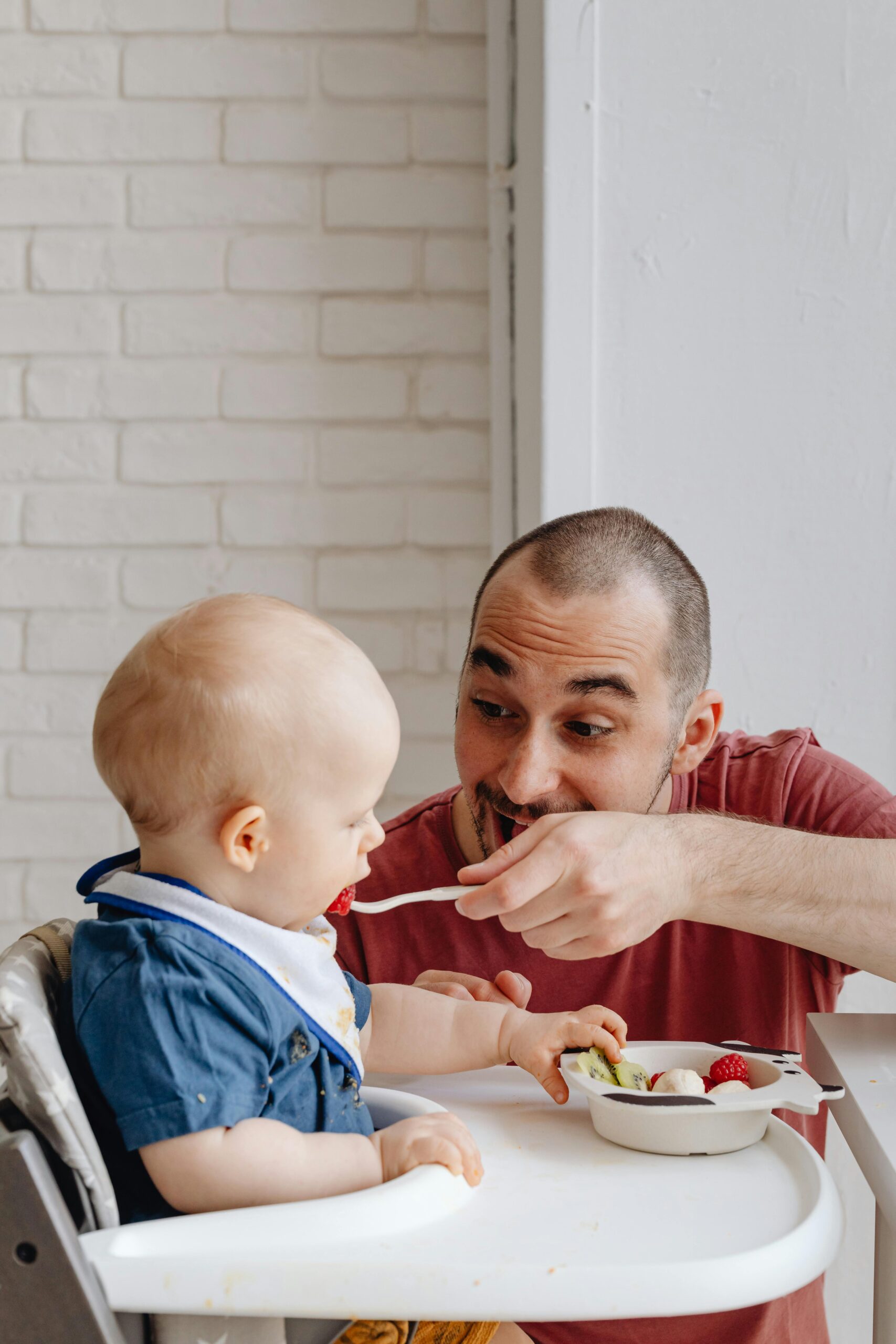
Babies who are six to eight months old are just starting to eat solid foods. Start with one or two meals a day, and make sure the portions are small and the food is soft. Food should be smooth or mashed, and babies should be able to touch it with their hands. Iron-fortified cereals, pureed vegetables, mashed fruits, yoghurt, mashed lentils, and pureed poultry or fish are all good foods to eat. As the baby gets used to it, you can add finger foods like soft banana slices, steamed carrots, or chunks of avocado. At this point, the goal is to explore, not to make a lot of noise. Parents should keep feeding times calm and let the baby choose how fast to eat.
Plan for meals for 9 to 10 months
Around the time babies turn nine to ten months old, they start eating three meals a day. As chewing gets better, the amount of food may go up, and the textures may get thicker and lumpier. Babies can now eat soft finger foods like cooked pasta, scrambled eggs, steamed vegetables, soft fruits, and small pieces of bread. You can eat protein-rich foods like shredded chicken, cooked beans, and mashed fish. Babies can also eat different kinds of grains, such as rice, oats, and quinoa. Drinking small amounts of water with meals can help digestion. To keep their kids from being picky eaters later in life, parents should encourage them to try different flavours and switch up their meals.
Plan meals for 11 to 12 months
At eleven to twelve months, babies’ meals start to look more like those of a toddler, with more structure. They can eat three times a day and have one or two snacks. Babies can eat foods with different textures, like small pieces of soft meats, mixed dishes, cooked vegetables, soft fruits, eggs, dairy, and grains. You can add mild herbs and other seasonings, but you should still stay away from salt and sugar. At this age, babies like to eat with their fingers and might even start using a spoon to feed themselves. Family-style meals, where babies eat modified versions of what their parents eat, help them learn to imitate and enjoy eating with others.
What foods to include and leave out of a baby’s meal plan
A good meal plan for babies should have foods that are high in iron, healthy fats, protein, vitamins, and minerals. Iron-fortified cereals, soft meats, eggs, yoghurt, lentils, beans, vegetables, fruits, whole grains, avocado, and nut butter mixed with water are all good choices. These foods help with energy, brain growth, immunity, and digestion that works well. Honey, whole nuts, popcorn, grapes (unless cut small), raw vegetables, hard fruits, sugary snacks, salty foods, and cow’s milk as a drink before one year are some foods to stay away from. Avoiding processed foods and things that could make the baby choke will keep them safe and help them learn how to eat well.
How to Make a Daily Feeding Schedule
A regular feeding schedule helps babies learn when to expect meals and keeps their hunger signals in check. Start giving your baby solid food after they have been breastfed or given formula, especially when they are six to eight months old. You can give babies solids when they are awake, alert, and ready to explore as they get older. Older babies may have a simple daily schedule that includes breakfast, lunch, and dinner, as well as snacks. Parents should give their kids a variety of foods, let them eat on their own, and make sure the feeding area is calm and free of distractions. Babies shouldn’t be made to finish their meals; instead, carers should pay attention to their hunger and fullness cues to help them develop healthy eating habits over time.
In conclusion
A meal plan for babies between six and twelve months old is very important for their physical and mental growth. Parents can help their babies grow strong, healthy, and sure of their eating skills by giving them a variety of foods, changing the textures of the foods over time, and sticking to a regular schedule. The most important things are to give the baby different foods, pay attention to what they want, and keep the feeding area calm. If you do it right, feeding can be a fun way for babies to learn, and it can help them develop good eating habits that last into childhood and beyond.
Frequently Asked Questions
Question 1: How much solid food should a baby who is 6 months old eat?
At six months old, babies usually eat a few tablespoons of food at each meal. As they get used to solids, the amount slowly goes up.
Q2: Should I give milk before or after solid food?
At first, you should give breast milk or formula first. Depending on the baby’s routine, you can give them solids before milk as they get older.
Q3: Is it okay for my baby to eat what the family eats?
Babies can eat modified versions of family meals by the time they are 10 to 12 months old, as long as the food is soft, small, and doesn’t have salt or sugar in it.
Q4: When can babies eat peanut butter and eggs?
If a doctor says otherwise, babies can safely eat eggs and thinned peanut butter starting at six months.
Q5: How many meals should a 12-month-old have each day?
Most babies who are 12 months old eat three meals and two snacks a day, in addition to breast milk or formula.