

Beginning
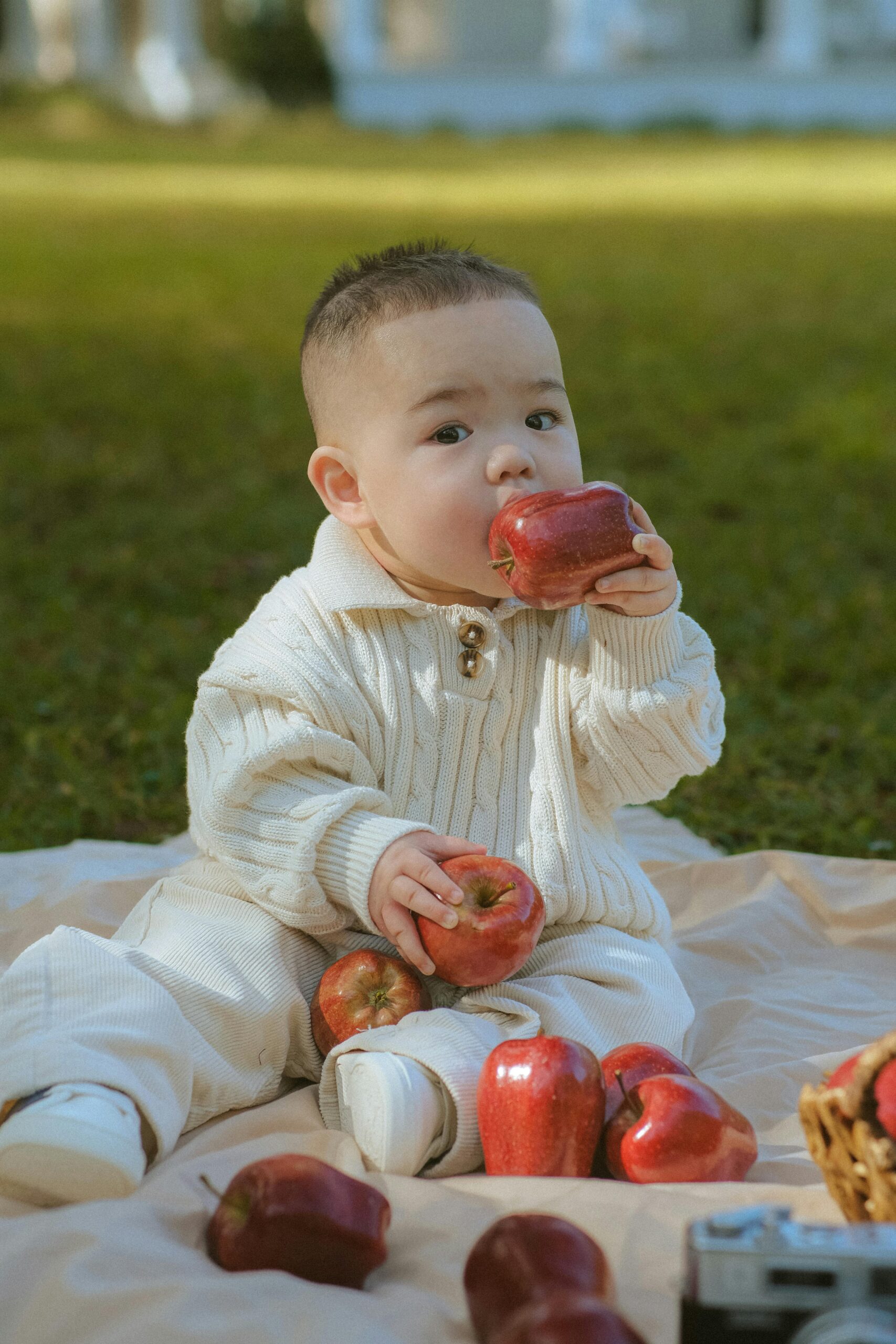
One of the most exciting things for parents is when their baby starts eating solid foods. This stage usually starts when the baby is about six months old and is ready to try new foods, textures, and nutrients that aren’t in breast milk or formula. It’s important to give the right first foods because good nutrition in the early years helps with growth, brain development, digestion, and long-term eating habits. A lot of the time, parents aren’t sure what food to start with, how much to give, or how to make sure the feeding process is safe. This article talks about the best first foods for babies, how to introduce them the right way, and what parents need to know to help their kids eat well.
How to Tell if Your Baby Is Ready for Solid Foods
Before picking the first foods, parents need to make sure their baby is ready for them. Around six months, the signs of readiness usually show up. Babies should be able to sit up with help, keep their head still, show interest in food, and try to grab food or open their mouth when you give them a spoon. They should also lose the tongue-thrust reflex, which stops them from pushing food out on its own. Giving solids to a baby before they are ready can lead to choking, stomach problems, or bad feeding experiences. When these signs are clear, parents can start giving their babies foods that are high in nutrients and help them learn how to chew and swallow.
The Best Foods to Start With
The best first foods are easy for babies to swallow, gentle on their stomachs, and full of nutrients. Purees with only one ingredient are best because they help carers figure out if someone has an allergy or intolerance. Iron-rich foods are very important for babies at six months because their bodies start to lose iron stores. Iron-fortified baby cereals mixed with breast milk or formula, smooth pureed vegetables like carrots, pumpkin, and sweet potatoes, and simple pureed fruits like banana, apple, and pear are all great first foods. Parents can also give their kids pureed meats, eggs, yoghurt, and lentils, all of which are good sources of protein, iron, calcium, and healthy fats. These healthy foods help babies build strong bones, muscles, and immune systems.
Bringing in Foods One at a Time
To know how a baby reacts to each food, you should slowly introduce them. Parents should only give their kids one new food at a time for two to three days before giving them another. This method helps find any allergic reactions, like rashes, diarrhoea, vomiting, or being extra fussy. Starting off slowly also lets babies try new tastes without feeling too much pressure. It’s normal for babies to make funny faces or hesitate when they try a new food. This is part of learning. They get used to it by being around it a lot, and giving them a range of flavours over time teaches them to like different tastes instead of becoming picky eaters later.
How to Serve First Foods and Texture Progression
As a baby learns to chew, the texture of their food should change slowly. At first, food should be soft, smooth, and easy to swallow. There shouldn’t be any chunks in purees, and they should slide off the spoon easily. After a few weeks, parents can give their babies thicker mashed foods or soft lumps to help them learn how to chew. Most babies can eat soft finger foods like cooked vegetables, banana slices, small pasta shapes, and scrambled eggs by the time they are eight to nine months old. Letting babies touch and play with food helps them develop their senses and feel more confident about eating. Parents should always watch their children and make sure the food is the right size and texture for their age.
Foods to Stay Away From at First
Not all foods are safe for people who are eating for the first time. Some foods can make you choke, while others can upset your stomach or cause an allergic reaction. You shouldn’t give honey to babies under a year old because it can make them sick. Whole nuts, popcorn, grapes, raw veggies, and hard fruits can all cause choking. It’s not necessary or good for babies to add sugar, salt, or spicy seasonings. Cow’s milk shouldn’t be given as a drink until the child is a year old, but small amounts in yoghurt or cooking are fine. Parents should also stay away from giving their kids foods that have a lot of additives or are processed. A simple and fresh diet makes sure that a child grows up healthy and doesn’t have any problems with feeding.
Making a Healthy Feeding Schedule
A regular schedule makes babies feel safe and makes it easier for them to eat. At first, parents should give their baby solids once a day. As the baby gets older, they should give them two or three meals a day. When the baby is awake, alert, and not too hungry or too full, you should feed them. There shouldn’t be any distractions, like screens, during meals. Letting babies hold the spoon, touch food, or feed themselves helps them become more independent and improves their fine motor skills. You shouldn’t force-feed or hurry the baby. Listening to your body’s hunger and fullness signals can help you have a better relationship with food, stop being picky about what you eat, and start healthy habits.
Conclusion
Introducing solids is an important step that affects a baby’s nutrition and eating habits for the rest of their life. Parents can make feeding safe and fun by picking first foods that are high in nutrients, looking for signs of readiness, slowly changing the textures of the foods, and staying away from foods that aren’t safe. When feeding babies is slow, easy, and responsive, they do better. If parents are patient and stick with it, they can help their baby learn to love healthy foods and develop the skills they need to eat well for the rest of their lives. Understanding the basics of first foods gives families confidence as they support their baby’s growth and development through every bite.
Frequently Asked Questions
Q1: When is the best time to start eating solid foods?
Most babies are ready around six months, but it’s more important to look for signs that they are ready, like being able to control their head and being interested in food.
Q2: When a baby starts eating solid food, how many meals should they have?
Start with one meal a day and work your way up to two or three as the baby gets used to it.
Q3: Should I give them fruits or vegetables first?
Either one is fine. The most important thing is to pick foods that are healthy, smooth, and have only one ingredient, with no added sugar or salt.
Q4: How long does it take for a baby to get used to a new food?
A baby may need to try a new taste 8 to 10 times before they like it. It’s important to be patient and offer it again and again.
Q5: When I start giving my baby solids, can I give them water?
At six months, it’s okay to drink small amounts of water with meals, but breast milk or formula should still be the main source of hydration.